Loading blogs...

By David A. Newdawn
29th May, 2026
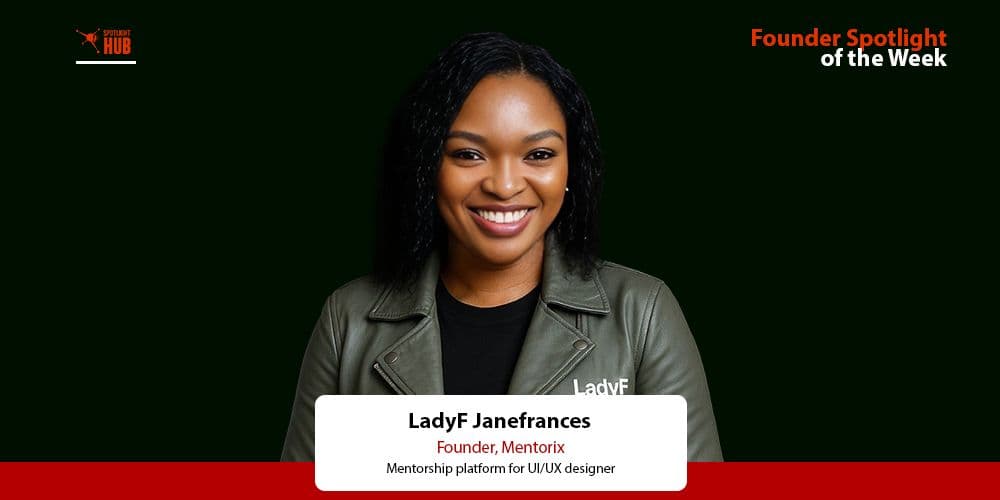
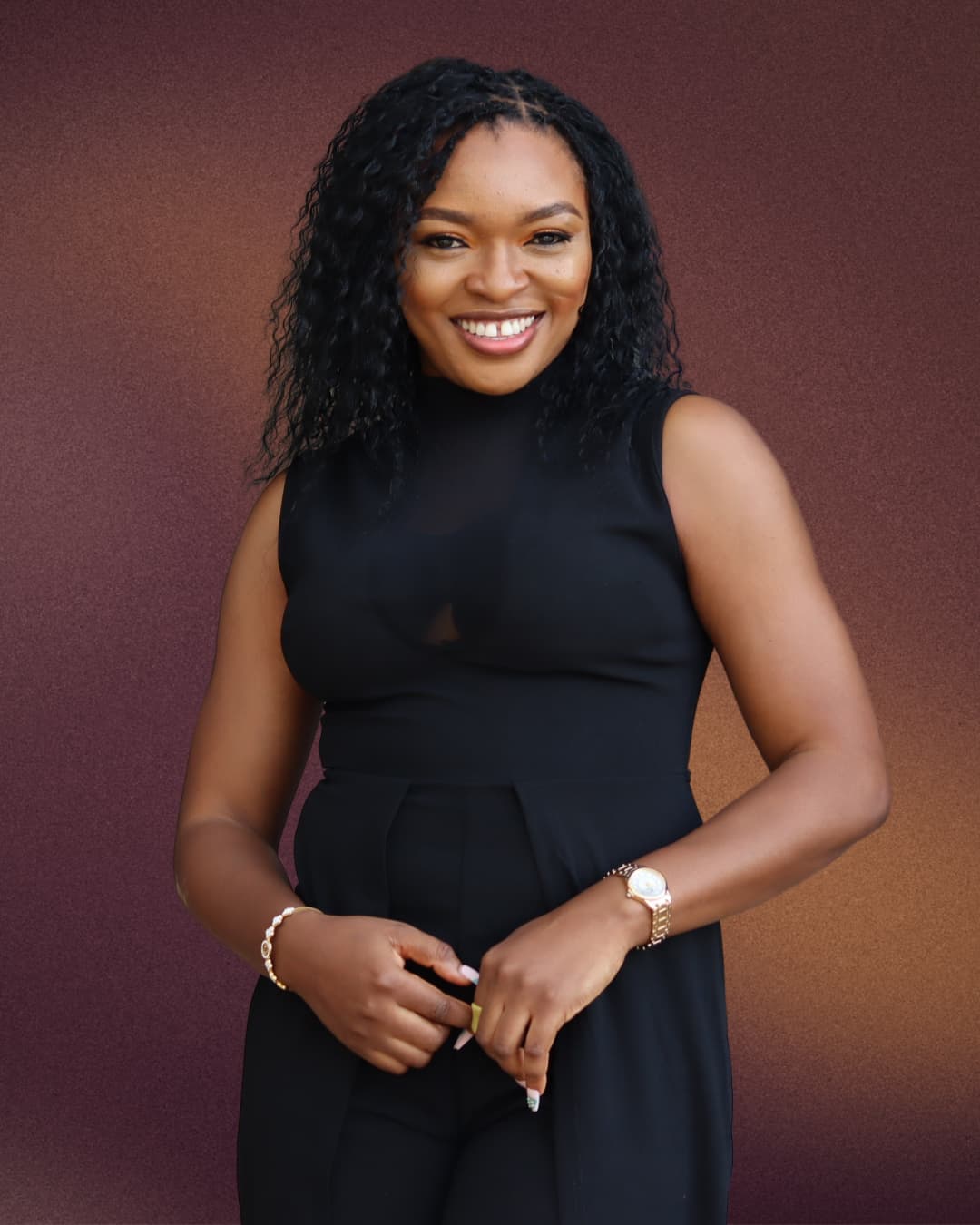
Janefrances Christopher, LadyF as most people know her, never planned to become a founder. She wasn’t chasing titles or caught up in the ‘startup’ buzz.
What really pushed her was something real, a problem she couldn’t ignore. She saw how many junior designers were struggling to find their footing in tech with no clear guidance, so she stepped in to help.
It all started on LinkedIn. She’s a product designer who’s super passionate about user experience and helping others grow. As she began posting practical tips, she noticed something interesting—so many designers were missing out on great opportunities just because they didn’t have the right guidance. Her inbox started filling up with people asking for mentorship. That’s when the idea for Mentorix came to life.
Here’s a sneak peek into our interview session with LadyF. Grab your popcorn and settle in. This isn’t something you want to skim through. Every bit of this conversation is filled with gems, not just for designers, but for any young person who’s serious about making an impact and leading with value.
"I didn’t have a grand vision to become a founder. Honestly, I just wanted to help. I noticed that many junior designers on LinkedIn were making mistakes, things like poorly written bios, mismatched portfolios, or reaching out to recruiters the wrong way.
These were things I could help with, and I felt bad watching them struggle without direction. So, I put up a post offering mentorship. I thought maybe one or two people would reach out, but my DMs were flooded. That’s when I realised it wasn’t just a 'nice' offer — it was needed."
"People didn’t need another course. They needed someone who could hold their hand, look at their work, and tell them what they were doing wrong and how to fix it."
"After that first post, I didn’t rush to build anything. I started having calls with the people who reached out. I would ask them why they felt they needed mentorship.
And more often than not, what they thought they needed was different from their real problem. Some thought they had a portfolio issue, but what they lacked was confidence.
Some thought they needed design critiques, but they actually needed help communicating their process. Those conversations helped me refine the concept of Mentorix."
"I didn’t want to build another course platform. I wanted it to feel human — like you were learning from someone who’s been where you are. So I started shaping the experience based on those individual needs."
"Mentorship is not just about giving advice — it’s about understanding what the person actually needs, which is often different from what they think they need."
"We launched the first version of Mentorix as 'Meteora' and it flopped. People signed up, but they didn’t stay.
That hurt, but it also taught me the importance of onboarding. I realized people were signing up but didn’t know what to do next. So they left. That was my first hard lesson in product experience."
"Instead of panicking, I started asking questions. I restructured the flow, added clarity at every step, and ensured users knew exactly what they were getting. We rebranded to Mentorix, and when we relaunched, the difference was clear. People didn’t just sign up; they completed tasks, came back, and actually got results."
"Your first product isn’t meant to be perfect — it’s meant to teach you what needs to change."
"I started with volunteers. I put out a call inside the community and said, 'Hey, I need help building this.'
The first team was rough — the mindset wasn’t right. Some people wanted titles without doing the work. But I didn’t give up. I reshuffled and tried again."
"I don’t hire based on CVs. Most of the people I work with, I met in DMs or WhatsApp groups. I look for attitude, people who are proactive, humble, and willing to learn. We’re all learning as we go. I’m still figuring things out myself. But the current team? They care. That’s what matters."
"When you don’t have money to pay people, you build with those who believe in what you’re building."
"Leadership, for me, is about trust and emotional safety. I tell my team, 'I’m not your boss. We’re building this together.' I’ve worked in toxic environments where people used 'discipline' as an excuse to be harsh. That’s not me."
"I believe people thrive when they feel safe. If someone makes a mistake, we talk about it. I give feedback gently because I know how it feels to be on the other side. People who feel respected will always give more than people who feel scared."
"People don’t stay because they’re afraid. They stay because they feel seen, heard, and safe."
"I avoid it. Not because I’m afraid, but because I value peace. If I notice a team member is not aligned, I quietly step back. I’ve had to let go of people who were talented but not committed.
I don’t like shouting matches or long explanations. If it’s not working, I say thank you and move on."
"I choose peace. If you’re not aligned, I don’t argue — I'll release you."
"I validated Mentorix through content. My LinkedIn posts were my research lab. If I shared something and got a flood of DMs, I knew it was a real problem. I also talked directly to users. I didn’t just run surveys, I had real conversations."
"I would talk to 5 or 10 people in detail. I’d ask them about their challenges, what they were hoping for, and what platforms they liked using. Then I’d use those insights to shape what we built.
I also used single-page websites and waitlists. If people were signing up without me begging, that was a good sign."
"Engagement is validation. If people respond to your content with questions, interest, and DMs, that’s proof of need."
"I don’t joke with rest. I’m married, I mentor, I build, I work. I’ve learned to protect my peace. People know that if you want to talk with me, you book a call. You don’t just show up."
"My sleep is non-negotiable. If I die, this work will continue. So I respect myself and rest. I also plan my day using time blocks. Morning is for deep work. Afternoon is for calls. Evening is for family. That structure helps me breathe."
"Boundaries are not optional — they are what keep you sane while building."
"I’ve learned so many things, from SEO to email marketing, to writing better copy. I didn’t plan to learn them, but when you’re building with no money, you learn what you must."
"I now know how to write emails that convert, design onboarding flows, and even run user research calls. Every challenge pushed me to gain a new skill. And honestly, those skills now help me advise others better."
"It’s still early, but I’m building something people will talk about, even without ads. Just like Mentorix, my mentorship slots sold out just from people sharing. That’s what I want again. Organic growth. Real value."
"I didn’t learn all these skills to show off — I learned them to survive and build better."
"Start. Don’t wait for everything to be perfect. Build the small version of your idea and share it. Let people use it. Learn from them. Then improve."
"Hire people who care. Skills are great, but character is everything. And protect your health. No startup is worth your burnout. Rest is part of the strategy, not a luxury."
"Done is better than perfect. And rest is part of execution, not a break from it."
To wrap up, LadyF emphasised the power of empathy in building both products and teams, and reminded us that boundaries are just as important as ambition. For her, sustainable growth starts with clarity, community, and compassion.
She also advised founders to start small, talk to real users, and build products based on honest feedback, not assumptions.
If you’re not yet following LadyF, she shares a lot of valuable tips on LinkedIn, helping Junior UI/UX designers get their next jobs through her mentorship platform, and you wouldn't want to miss out on that. You can follow her here.
Now, let's talk about the real deal. If you’re looking for a platform that helps you find your path as a designer, land paying UI/UX jobs and gives you one-on-one personalised mentorship, then Mentorix is that place. You can check it out here.
Keep your eyes up for more founders’ stories.
See you soon
The SpotlightHub Team.
Category
Founder's Spotlight