Loading blogs...

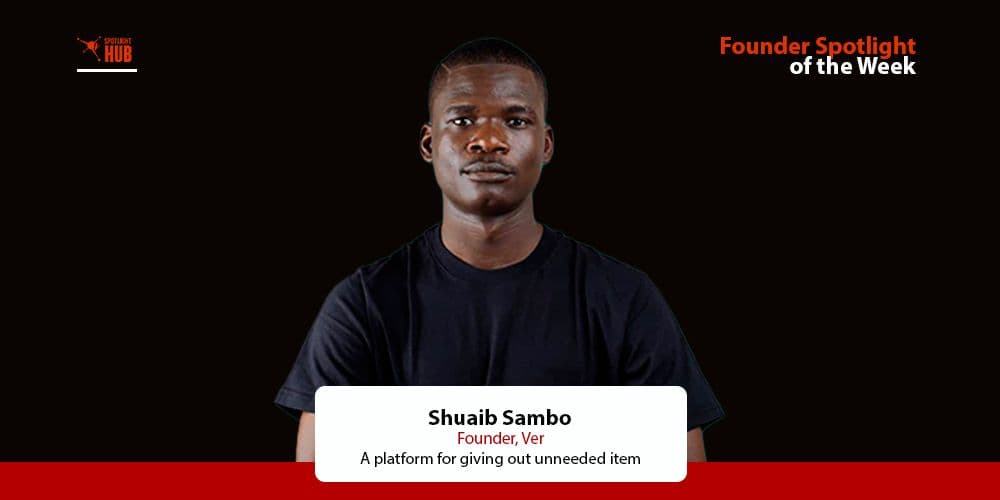
By David A. Newdawn
4th June, 2026
"Instead of just being a designer for hire, I wanted to build something that solves real problems and belongs to me."
— Shuaib Sambo
From the streets of Kwara to the tech corridors of Northern Nigeria, Shuaib Sambo’s journey as a founder was driven by a simple but powerful desire: to create something meaningful that addressed a real, visible need.
Starting as a graphic designer and transitioning through product design, frontend development, and product management, Shuaib was never content with staying in one lane. He wanted to build.
In this interview, Shuaib shares his story, how he has transitioned from just being a graphic designer to building a platform that promotes giving. Sit back and enjoy the conversation, and don’t forget to take notes.
"I’ve always had the mindset of trying different things. When I was doing graphics, I didn’t stop there. I transitioned from product design to frontend development, then to product management. Eventually, I asked myself, “Why keep building for other people when I can build my own?"
For Shuaib, it wasn’t just about money or titles. It was the longing for independence and impact. Inspired by others he saw building their startups, he was fascinated by the idea of creating something that could run, even while he was asleep.
"Being a founder meant freedom. I didn’t have to ask anyone for permission. I could wake up, make decisions, and see them take shape. That’s powerful."
"VER comes from two words, ‘giver' and ‘receiver.’ It’s a platform that connects people who want to give to those who really need support."
While schooling in the north, Shuaib witnessed an overwhelming amount of poverty: children roaming the streets, families displaced by conflict, NGOs stretched thin trying to help. That exposure planted the seed for VER, a digital platform to bridge the gap between those who want to give and those in need.
"I saw people doing good work distributing food, building shelters, but it wasn’t enough. I knew tech could do more to help scale these efforts."
He leveraged his product design skills to begin building VER himself, saving the cost of hiring a full development team. But he admits that funding has been a major roadblock.
"Funding. Nigeria is not an easy place to raise money, especially for something like this that started as a charity model."
To raise awareness and attract support, Shuaib created branded merchandise, T-shirts and caps with VER’s logo, and started selling them online. One viral post led to unexpected attention, including an investment inquiry from the UK.
"I didn’t expect that post to blow up. It gave me my first lead for funding and it made me realize I had to start thinking like a business, not just a charity."
He now understands the need for a sustainable business model that can generate revenue while still staying true to the mission.
"I don’t have an MVP yet, but I’ve been sharing the idea and prototypes. The feedback has been incredibly helpful."
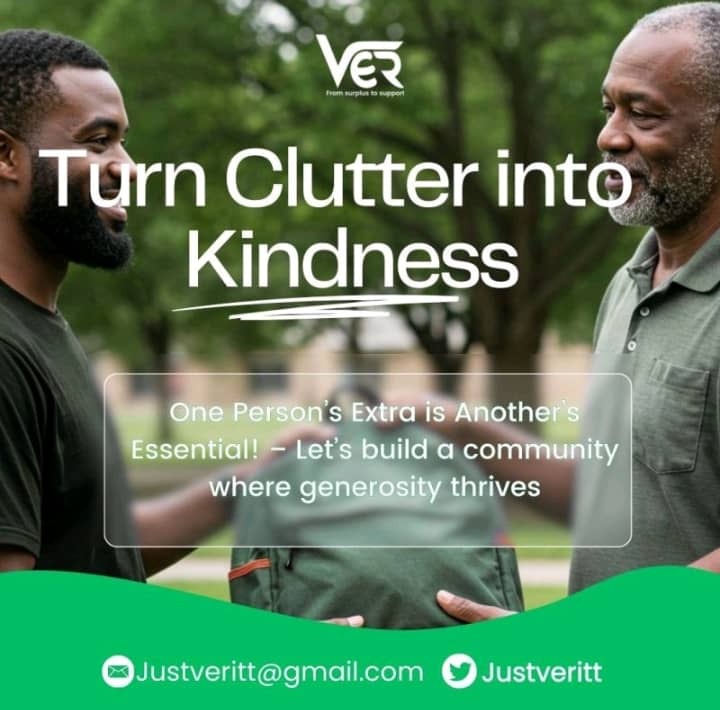
From UX critiques to operational logistics, users have helped him refine the product concept. One common question: if someone in Lagos wants to give a laptop to someone in Kano, who pays for shipping?
"Feedback helped me see problems I hadn’t considered. I used it to plan features like NIN verification, fraud prevention, and more solid logistics workflows."
He emphasises that feedback from strangers is more honest than self-assessment and is necessary for building the right product.
"People reach out to me on X (formerly Twitter) wanting to join the team, but I’ve had to turn many down. If I can’t pay you, I can’t expect your full energy."
So far, Shuaib has been running VER solo, handling the design, vision, and product planning. He knows that’s not sustainable forever.
"A time will come when I’ll need a team. Not just any team, but people with the same energy and belief in the mission."
"It’s not easy. Some days I’m tired, disconnected from friends, and wondering why I’m doing this. But deep down, I know this idea has the potential to change lives."
Like many student-founders, Shuaib is juggling final-year exams with the pressures of entrepreneurship. His mindset? Even if VER doesn’t become the billion-dollar project, it’s preparing him for the one that will.
"VER might be my breakthrough or just a stepping stone. Either way, I’m building something that matters."
Follow Shuaib Sambo and keep up with VER’s journey here
"Don’t wait for everything to be perfect. Start with what you have. Get feedback. Build again."
He also encourages founders not to isolate themselves. He’s learned that community, mentorship, and structure are all part of what makes a startup survive.
"Believe in what you’re building. And even if it doesn’t turn out exactly how you planned, you’ve grown. That’s never wasted."
Did you know?

The first guests on Airbnb slept on air mattresses in the founders’ living room during a design conference in San Francisco.
🛏️ That’s literally where the “Air” in Airbnb comes from.
Lesson? Serving one real customer well can be more powerful than pitching to a hundred investors.
Start small. Impress one person first, then let word of mouth do its thing.
Category
Founder's Spotlight