Loading blogs...

By David Newdawn
3rd November, 2026
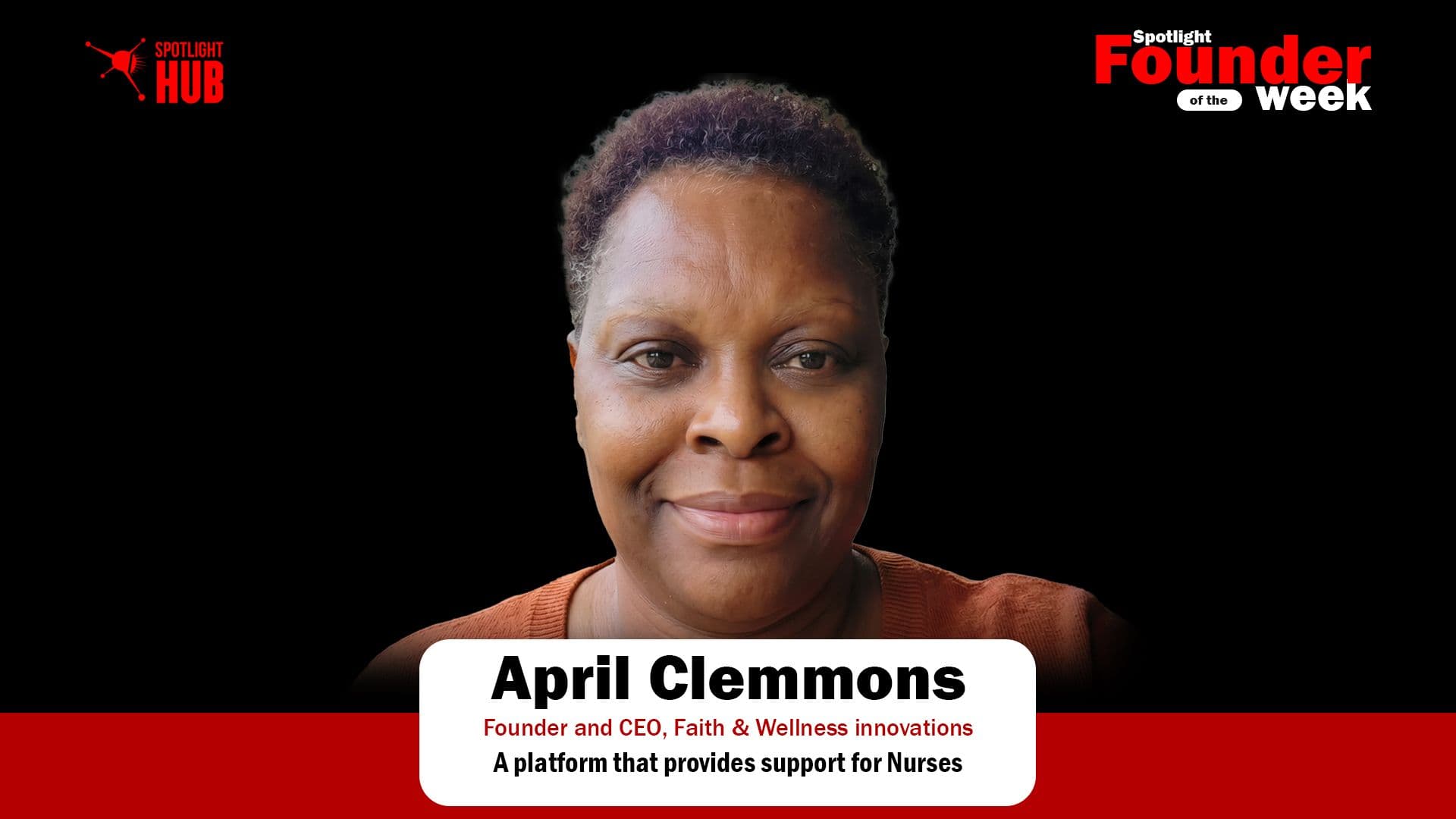
After more than 30 years in nursing, April Clemmons is turning her personal experiences into solutions that support nurses, improve workplace well-being, and restore dignity to the people who care for others.
In this edition of Founder’s Journey, we speak with April Clemmons, founder of Faith & Wellness Innovations, about her journey in nursing, the experiences that inspired her to build, and her vision for improving the well-being of healthcare professionals.
Through Faith & Wellness Innovations, April is developing Navigator Protocol™, a platform designed to provide nurses with anonymous, in-the-moment support while helping healthcare leadership recognize protected, aggregated workforce patterns and respond to emerging challenges.”
My name is April Clemmons. I have worked in nursing for over 30 years, including nearly a decade as a Registered Nurse
One experience that shaped me was working on one of the first long-term care hospice units for AIDS patients in Maryland. At the time, there was a lot of fear and misinformation surrounding the disease. I wanted these patients to feel seen, respected, and cared for, especially those without family support.
Over the years, I worked in different nursing roles and witnessed significant changes in healthcare, including the impact of budget cuts, staff shortages, and the pressure nurses faced during COVID.
Teamwork and collaboration have been very important to my journey. Building something meaningful is not something you can do alone. You need people who can challenge your thinking, share their experiences, and help you see things from different perspectives. I have received support from mentors, accelerators, nurse investors, and other builders, and their contributions have helped me grow.
One important lesson I have learned is to listen before trying to solve a problem. When I first started developing the idea for Navigator Protocol™, I was working largely from my personal experiences and assumptions. Some mentors encouraged me to slow down and speak with more nurses before moving forward. That helped me understand that a solution should be built with the people who will actually use it.
My journey into building Faith & Wellness Innovations came from years of working in healthcare and seeing the challenges nurses experience. During COVID, I witnessed incredible teamwork and compassion, but I also saw nurses becoming overwhelmed, understaffed, and expected to move from one responsibility to another without enough time to process what they had experienced.
Last year, I sustained a workplace injury, and my doctor warned me that continuing bedside nursing could cause permanent damage. I had to come to terms with the possibility that my bedside nursing career was over. That was difficult to process because nursing was not just my job; it was part of my identity. Living in California, away from my family in Florida, also made the experience more isolating.
I began reflecting on the stress I had carried throughout my career and how it followed me home. I realized that healthcare workers needed support beyond their professional responsibilities, and that became part of the reason I started building Faith & Wellness Innovations.”
Navigator Protocol™ is an app designed to give nurses a space to pause, reset, and process their experiences. Think about a nurse who has just attended to a patient who coded. Immediately afterwards, that nurse may need to administer medication, change a dressing, hang an IV, or attend to another patient. There may be no time to process what just happened before the next responsibility begins.
The app is intended to give nurses a way to check in with themselves at any time, from anywhere, and for any reason, without having to identify themselves or justify why they are using it. It should help them recognize what they are feeling, even when they do not yet have the words to describe it. Over time, the insights could also help healthcare leaders understand what nurses experience on the floor. My goal is to build it by nurses, for nurses, and with nurses, which is why I am seeking input from people across different specialties, shifts, and levels of experience.
Beyond supporting individual nurses, Navigator Protocol™ is being developed to help healthcare leaders identify protected, aggregated patterns of workforce strain and respond earlier. The goal is to strengthen communication between nurses and leadership so that organizational challenges can be recognized and addressed before they escalate.
One major challenge is the gap between what nurses are expected to do and the support available to help them do it. Nurses can have heavy patient assignments, complex procedures, documentation responsibilities, and constant interruptions. Some miss meals and bathroom breaks because there is simply too much to do. They may also be expected to take on responsibilities that belong to other departments while still being held accountable when their own work falls behind.
Another challenge is the gap between classroom learning and practical experience, especially for newer nurses. Experienced nurses carry valuable knowledge about patient assessment, IV procedures, and handling difficult situations. However, when they leave, much of that knowledge leaves with them. I believe nurses need more supervised opportunities to develop practical skills and confidence, and experienced nurses should support newer colleagues rather than make them feel inadequate.
My faith is a very important part of my life and work. I believe that what I build should glorify God. I pray for direction, and I want the work I do to make a meaningful difference in people’s lives. Through Faith & Wellness Innovations, I hope to create solutions that help people find peace and healing and, if they choose, develop or strengthen their relationship with God.
That is also why faith may be part of Navigator Protocol™, but it will be optional. I understand that people have different beliefs, and nobody should feel that they must engage with a faith-based feature to use the app. For someone who has a relationship with God, sometimes a reminder of God’s word can provide comfort and help them get through the next task.
My biggest goal is to improve the well-being of healthcare workers and contribute to better working environments. Navigator Protocol™ is one part of what I want to build. Faith & Wellness Innovations is also exploring other areas, including workflow improvements, injury prevention, and ways to protect patient dignity. I am also looking at opportunities within the bariatric space, with the possibility of introducing a portfolio in the coming year.
My vision is for Navigator Protocol™ to help healthcare organizations develop a more responsive relationship with their nursing workforce, where frontline experiences inform meaningful leadership decisions and nurses can see that their voices contribute to organizational improvement.
Beyond individual products, I want to contribute to solving the wider challenges of nurse retention, workplace stress, and turnover. These problems cannot be solved by one person or organisation. Increasing salaries alone will not fix heavy assignments, missed breaks, poor infrastructure, or the pressure nurses experience every day. We need people building solutions from different angles to work together.
I want Navigator Protocol™ to become accessible to nurses and adopted by enough healthcare systems to make a meaningful difference. I want nurses to have a tool they can use when they need to pause, reflect, and regain clarity without worrying about being judged. I also want Faith & Wellness Innovations to grow beyond one product and contribute to solving other problems within healthcare.
My vision is for Navigator Protocol™ to help healthcare organizations develop a more responsive relationship with their nursing workforce, where frontline experiences inform meaningful leadership decisions and nurses can see that their voices contribute to organizational improvement.
Most importantly, I want to see better collaboration between healthcare leadership and the people working directly with patients. Leadership needs to understand what nurses are experiencing, while nurses need to feel safe enough to communicate their challenges.
We cannot keep offering superficial solutions when the underlying problems remain unresolved. A pizza party, for example, will not solve understaffing or an overwhelming workload. Solutions must address the actual needs of each healthcare environment.
I would advise anyone starting out to validate their market, research the people they are building for, and gather evidence before moving too far into development. Understand your potential customers and what they actually need. I would also encourage builders to start building a team early. Having people with different skills and experience around you can make a big difference.
I would also say that setbacks should not automatically make you give up. There will be things you need to learn and doors that may not open when you expect them to. For those who are faith-based, I believe that when God opens a door, He makes a way. You may face challenges along the way, but those experiences can help you grow into the person you need to become to fulfill your purpose.
I would start with market validation, research my potential customers, and gather evidence about the problem before trying to build a solution. I would also build a team much earlier. Being a solo founder has been one of my biggest challenges because, although I understood nursing and the needs of healthcare workers, I did not fully understand the business side of building a company.
AI helped me research and navigate unfamiliar aspects of entrepreneurship, but I learned that technology cannot replace experienced guidance, independent verification, and sound business judgment.
I had to change my focus several times and learn more about business structures, especially the complexities of selling to hospitals and navigating their procurement processes. Those experiences taught me that having a good idea is not enough; you also need the right knowledge, preparation, and people around you.
Keep building your ideas. Your story matters, and your next step could make a difference. Visit thespotlighthub.org to read more stories from founders, and subscribe to stay updated.
Until the next Founders story, Keep building. Keep growing. Your story deserves to be told.
Category
Founder's Spotlight


