Loading blogs...

By David Newdawn
24th August, 2026
Building a healthcare company is different from simply building a t how Klinix started?
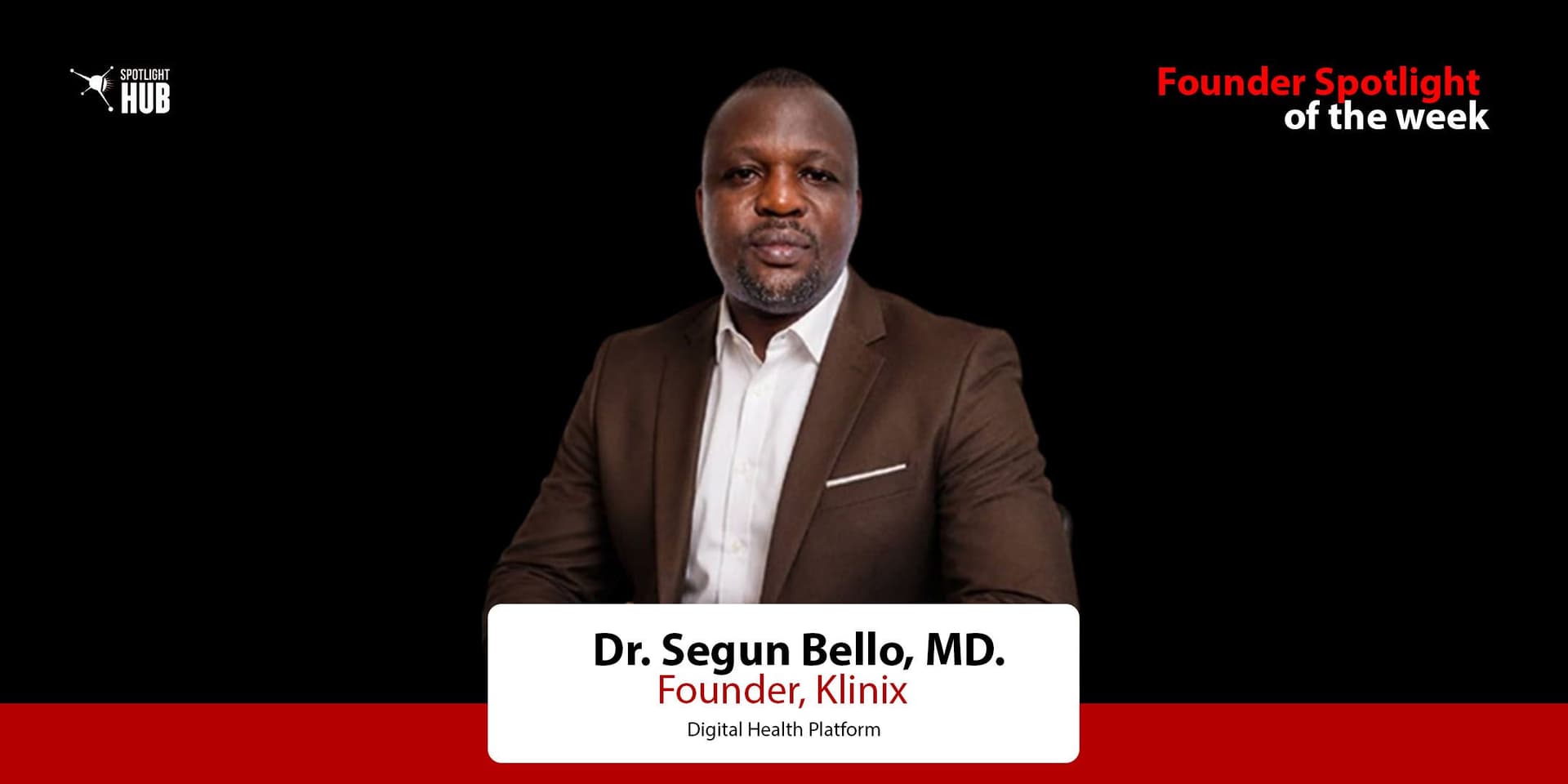
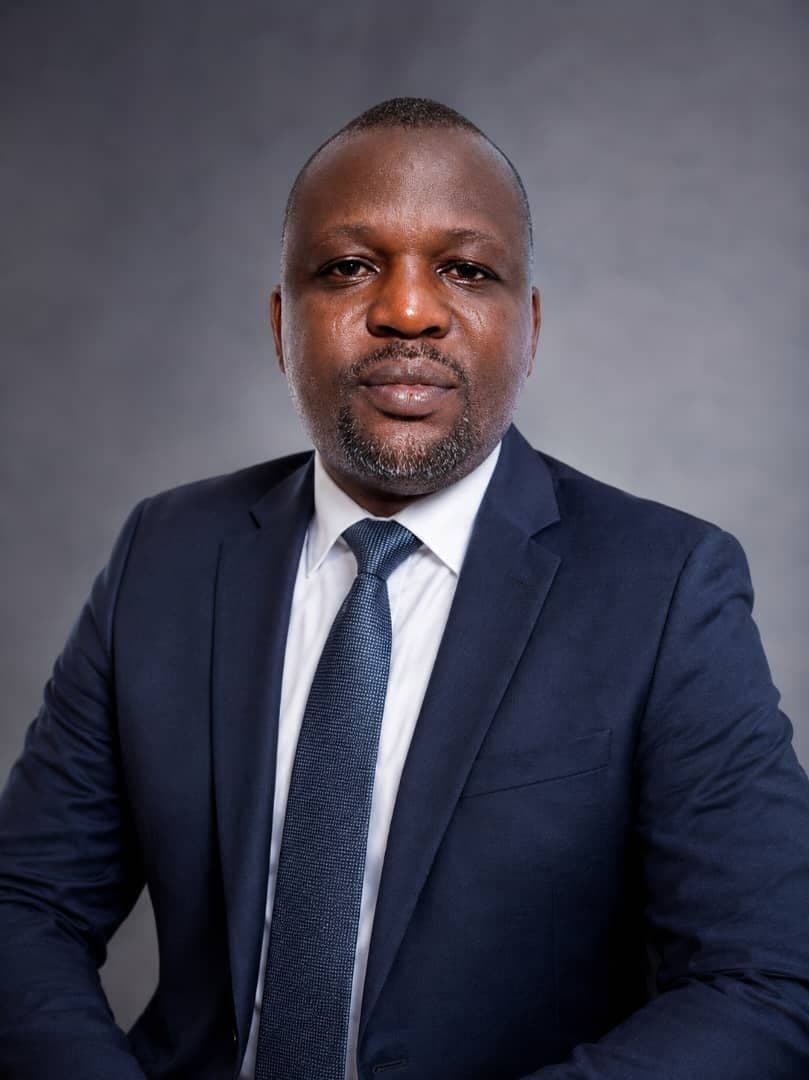
I have a background in medicine, Biotechnology, and eHealth Management, but I recently fully transitioned into digital health, where I currently serve as the Chief Executive and founder of Klinix Limited. There is actually a lot of story behind Klinix. Klinix(Registered) came on board in less than two years, but before that, we had a system that had been running for about seven years.
We spent those years doing a lot of research into Nigeria and Africa healthcare domain and trying to identify the teratogenic insults and gaps within the African healthcare system. I have practised for over a decade across private and public institutions,and sincerely, I have seen a lot. I have seen the good, the bad and the ugly directly and indirectly.
That is why we decided to come on board. We see that people are always willing to tell ugly and bad stories about Africa systems, but we don’t believe that. We believe the ugly and bad stories though some are there,however for us,it is an avenue to make a positive change and leave it much better than we met it.
At that time, we had what we called e-Medklinix. It was more of a consulting and research platform. We started researching healthcare in Nigeria and Africa.
By 2019, we started fully with Klinix, and we had identified almost 200 research areas in African and Nigeria healthcare where we could develop technological solution products. Then we encountered the issue of registration with the relevant regulatory bodies which was actually expected. We could not register the name e-Medklinix, so we went for Klinix Limited,andluckily enough, it was approved.
That was how we moved from e-Medklinix to Klinix Limited. While e-Medklinix was focused on consulting and research, we realized that it was better to integrate products into the Consulting and Research services. After consulting for clients,companies home and abroad, we discovered we would be in a better position to create personalized products around the problems we had identified and studied. So we moved from research and consulting into personalized healthTech solutions and Healthcare product development for the Continent.
We identified both the structural and systemic gaps in the healthcare sector, and we said we wanted to stand for three things: accessibility, availability,affordability,and personalized healthTech innovative solutions company.
Some of our problems in Nigeria and the African healthcare sector are with Power supply, data center and internet connectivity. So we developed what we called the S-H3(Simple,honest,harmless,helpful) model. It means we simplify the healthcare products we want to build, make them harmless, make them honest, and helpful. So,all our products are therefore based on simple digital health solutions that are harmless, helpful, and honest.
One of the gaps we identified is that many healthTech or EdTech or Tech solutions hubs have people who are not necessarily from the healthcare domain trying to translate our problems to the client, customer, or market they have little knowledge about.Yes, they are welcome,but it would do the domain real good, if the pioneers of all these products were people from the healthcare domain who actually understand where the shoe pinches, then collaborate with people from outside the domain.
Another major issue is access to quality dataset. I can confidently tell you today, Nigeria and Africa do not have dataset problem,but they are all in silos and can be frustrating to have access to them. A lot of what we have been using is getting dataset from foreign repositories that are not African produced. The implication is that when you build tech models with those dataset, there will be a lot of biases and outliers in your products.
When we were building the KlinixCDM (Chronic Disease Management),a Pan-africanism digital health platform, we wanted an African origin dataset, because we were building something specifically for Africans.
We wrote to different organizations and facilities for access to dataset to be used as much as we are aware of data protection laws,regulations,requirements and informed consent. We also made re-connected with old friends and colleagues in some major public and private healthcare institutions. However,the access was taking a lot of time and at some point, we became frustrated.Then we thought differently, and onboard some advisory board members who could help, told them our plights and the rest is history.
Another gap is interoperability and Internet connectivity. A patient or healthcare user should be able to be in Idimu Lagos and enter any healthcare facility, whether private, primary, secondary, or tertiary healthcare facility,and have his/her medical information available. I should also be able to go to Ikorodu,Lekki,Minna,Anambra, Calabar and enter a hospital facility and still have access to my health information records as well as kenya,Ghana, Morrocco and the rest.
I am happy with the recent Nigeria Government development around the National Identity Management Commission(NIMC) full adoption and integration into all our data management sector. Now, with our NIN(National Identity Number), we can integrate medical data information across all board at our healthcare facilities. One of the major moat behind KlinixCDM is to be able to integrate your NIN which carries your medical data information as a gateway to use the platform as well as the Unique Identification numbers of other African countries parse.
But then, we also asked another question: what happens when there is no internet? Connectivity is a major issue. So one of the problems Klinix is solving is building products and models that are offline-first which can run without internet service.
We also identified electricity as a major gap, so we are designing and building products and models with compressed energy efficient capacities that can work even with low battery life and green energy. Then there is data protection and storage,which is another area we are actively working on using edge AI and Pocket digital data architectural solutions to solve.
Without collaboration, you are just playing, my brother. The current realities is that for you to grow or blow,you can’t build in silos. You need Genuine and healthy collabo.We have a team, and if I cannot do a task, we have a department and member of he team who has vast understanding of that particular aspect in which local an regional collaboration is a key part of it.
Don’t be deceived,you cannot build all alone.
For the record, I will remind you about this conversation in five to ten years’ time. I would love to see Klinix become a two billion dollar valuation company in five years.
Our target is actually 2030. By 2030/2031, we think we will be a two billion dollar company in terms of valuation. Then, in ten years, we want Klinix should be IPO and over $3billion in Market cap, whether here in Nigeria or in any other part of Africa or rest of the world the world.
One of the major challenges I had was trying to make people see and understand the Klinix vision.There was also a period where we had to stop for about six months and restart, alongside the challenges of registration,approvals and funding. Those things can be difficult when you are trying to build something new in a very regulated sensitive industry.
But one of the things I have learnt is that sometimes the breakthrough comes through quality relationships and being willing to keep learning. I once enrolled in a CPD/CME course on Incident reporting and Root cause analysis, and the facilitator eventually became my run to for clarity and references and to become one of our advisory board member. That relationship has translated in helping us connect with people who could assist with the certification and licensing requirements for onboarding potential clients and customers on the KlinixEMR(Emergency Medical Referral) platform coming up soon.
Start with what you have,where you are!
Don’t wait until you have everything figured out before you begin. Start with your current resources, continue learning as you build, and keep improving.
You may not have everything you need in the beginning, but you can start from where you are and continue to leverage on that along the way.
You never really know who is watching.
Recently, someone who had been following my work quietly on LinkedIn reached out to me on a global whitepaper contributions where I’m contributing on Ethics,Accountability,and Trustworthy AI. It is a massive project that will position klinix on a global scale as a go-to healthTech Consultancy hub.
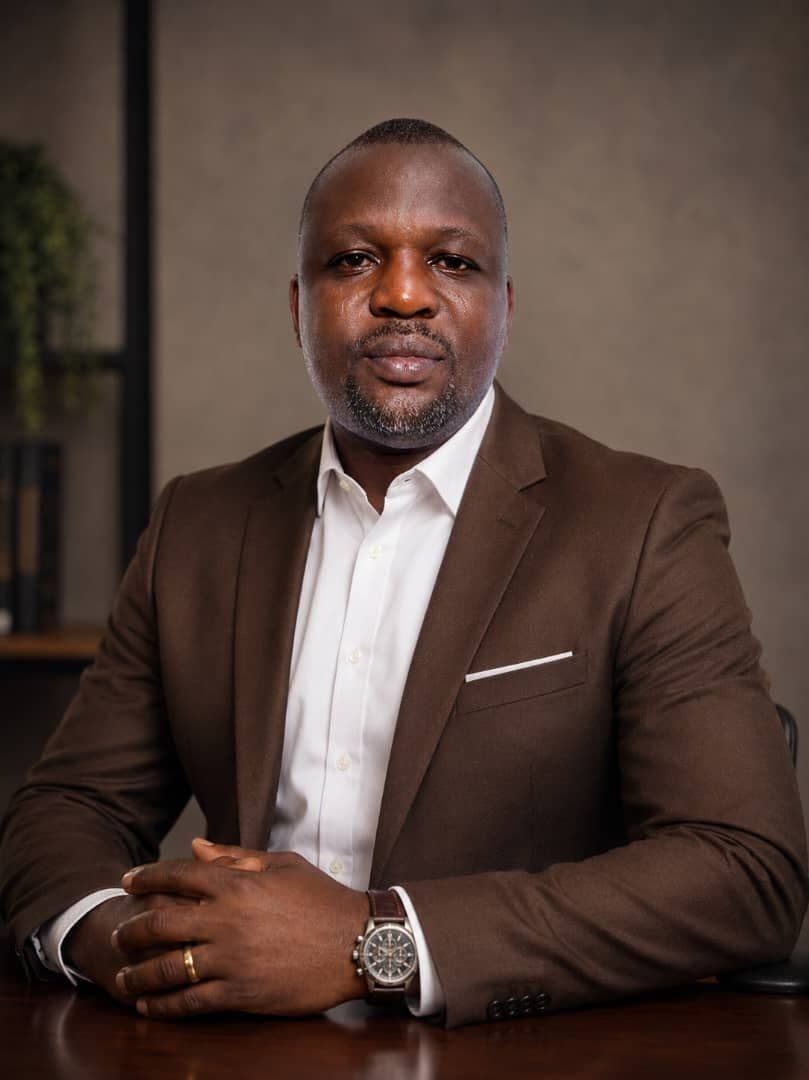
Just watch out for the announcement soon. You may think nobody is seeing what you are doing, but someone,somewhere could actually be watching and waiting for the right time to connect.
That is why you have to keep doing the work and keep putting it out there. Who knows!
For Segun, Klinix is not just about building another healthcare technology company. It is about using research, technology, clinical knowledge, collaboration, and an understanding of African realities to build healthcare solutions that can work here.
His journey also reinforces an important lesson for early stage founders: you do not need to have everything figured out before you start. Start with what you have, understand the problem deeply, surround yourself with people who complement your strengths, and keep building.
And perhaps, five years from now, we’d be happy to return to this conversation to witness and commend Dr. Segun about that $2 billion Klinix vision for 2030.
Category
Founder's Spotlight